- R&D Center
-
Major Areas of Research
-
Major Areas of Research
-
Major Areas of Research
-
Major Areas of Research

Major Areas of Research
POSS(Polyhedral Oligomeric Silesquioxanes)
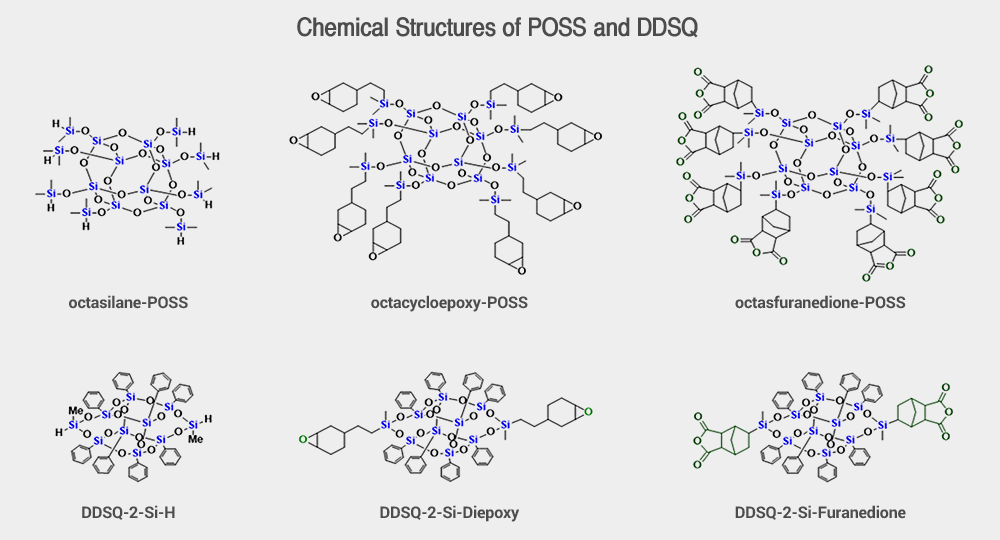
Silsesquioxane chemistry has drawn significant attention for its wide range of potential applications. The first POSS (Polyhedral Oligomeric Silsesquioxane) compound was introduced in 1946. Chemically, it is a hybrid intermediate (RSiO₁.₅) between silicon dioxide (SiO₂) and silicone (R₂SiO, where R = H, alkyl, aryl, or alkoxy groups).
POSS exhibits characteristics of both inorganic ceramics and organic functional groups or organosilicon polymers, making it a chemically and thermally stable compound.
DDSQ(Double-Decker Silsesquioxane)
A specific type of silsesquioxane, structurally distinct from traditional POSS, features a different inorganic core and forms a double-layered cyclo-siloxane cage structure. Unlike typical polyhedral POSS, this compound can be synthesized into either closed or open-framework cage structures, allowing for a wide variety of forms.
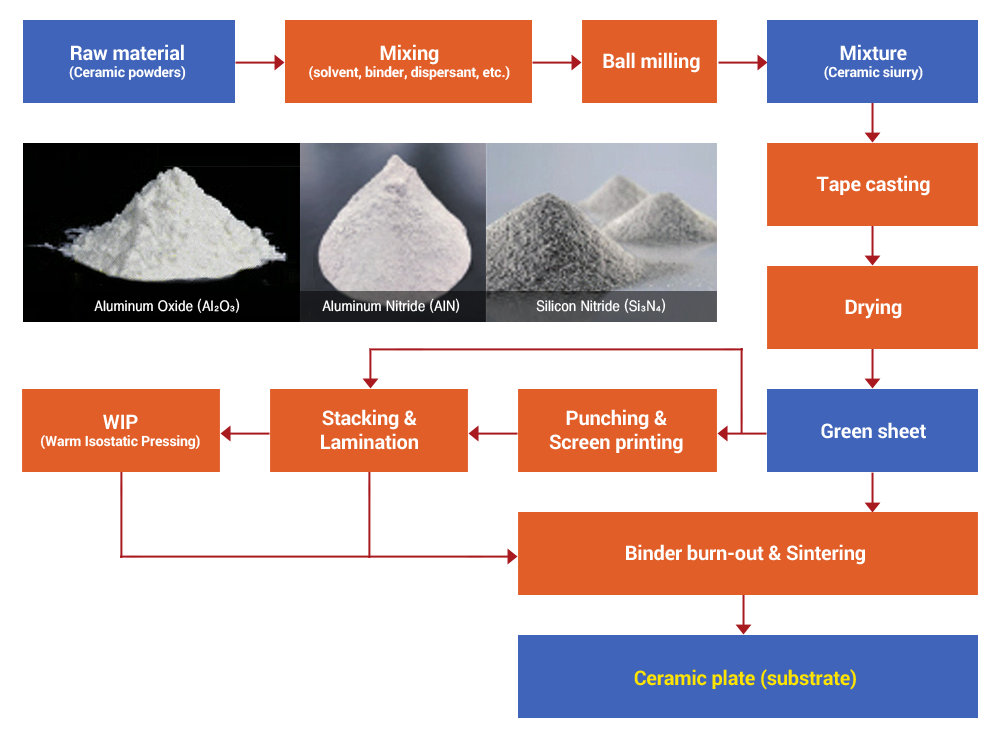
Si₃N₄ is a compound known for its high strength and hardness, low thermal expansion coefficient, excellent wear and heat resistance, and outstanding electrical insulation properties. It offers superior resistance to high temperatures and corrosion.
As a high-strength ceramic material, Si₃N₄ serves as an alternative to first-generation ceramics such as stainless steel, superalloys, tungsten carbide, and aluminum oxide (Al₂O₃).
Its excellent thermal shock resistance, high fracture toughness, and compatibility with non-ferrous metal melts provide greater structural reliability than conventional ceramic materials.
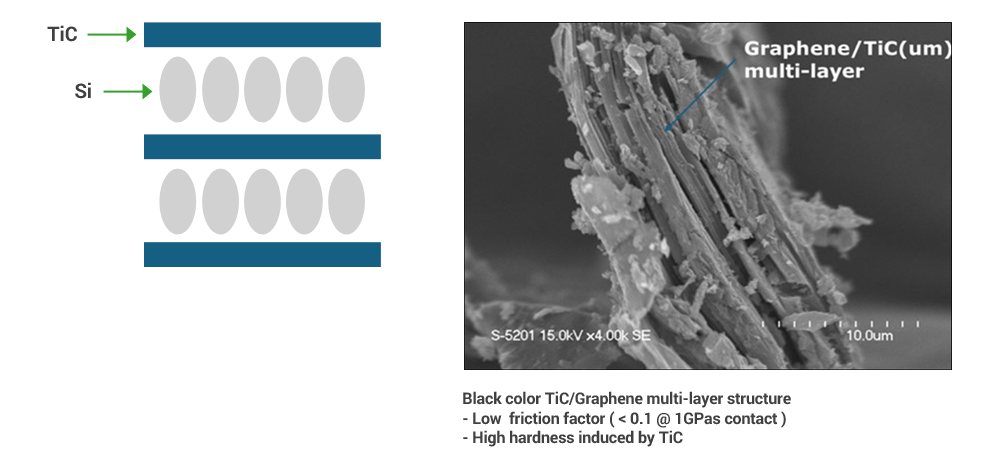
Developed using UNIS Co., Ltd.’s advanced technology, this compound of titanium and carbon—commonly known as titanium carbide—delivers superior performance compared to traditional carbon or silicon materials.
Silicon anodes tend to expand significantly during repeated charge/discharge cycles, and titanium carbide is being developed as an alternative material.
The silicon anode market is projected to grow more than 30% annually.
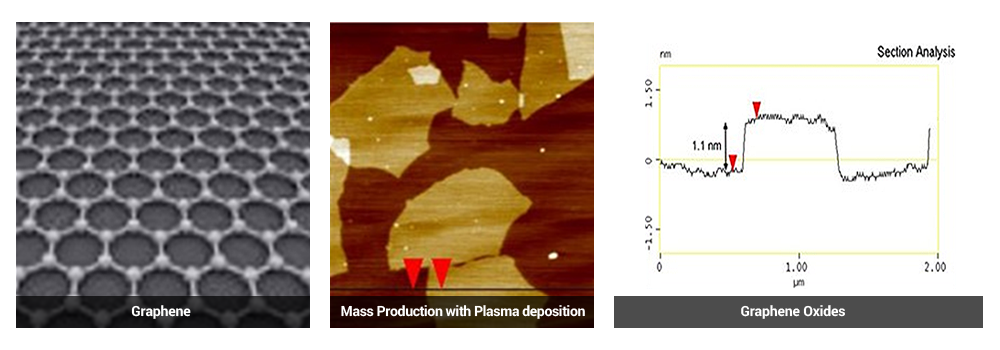
One of the allotropes of carbon, consisting of carbon atoms arranged in a two-dimensional planar structure.
Used as an additive to enhance the functionality of anode materials.
Improves charge/discharge efficiency of batteries.
Increases energy storage capacity and extends battery lifespan.
Surface treatment methods can be customized to meet customer requirements.